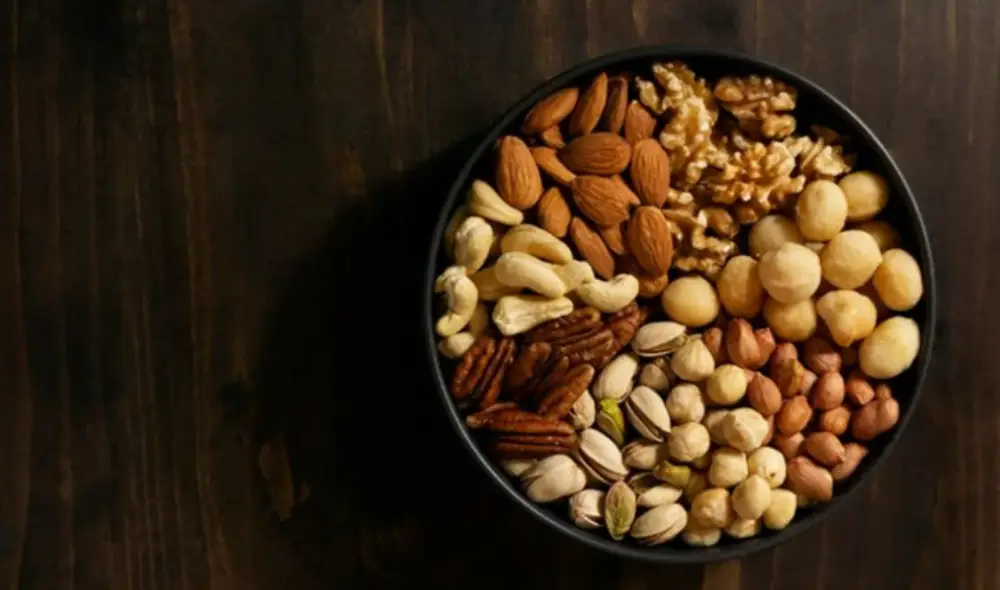
Iranian nuts are among the healthiest foods you can include in your diet. They’re a source of healthy fats, plant protein, fiber, vitamins, and minerals. Many people want to eat healthier nuts, which is why many people are trying to improve their diet. A popular question that is asked is which nuts should not be soaked before consumption. Health communities have developed a passion for soaking nuts. Others say that the soaking process removes some of the natural nutrients and that the nuts are easier to digest. While soaking can be helpful for some nuts, it is not necessary for all of them. In fact, some nuts such as cashews, pistachios, and pine nuts become inedible, taste bad, or are not as fresh when soaked. In this article, we will investigate which nuts should not be soaked in the morning or at night.
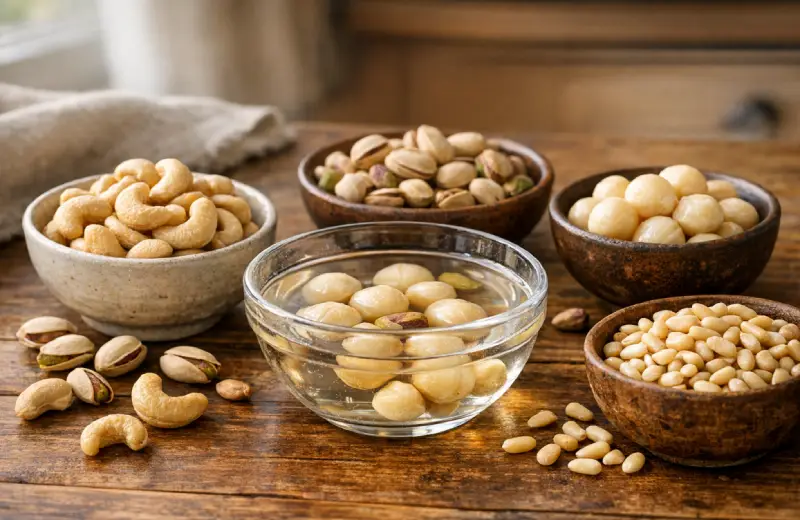
Why Do People Soak Nuts?
Before understanding which nuts should not be soaked in water, let’s know that the concept of soaking the nuts dates back to the traditional way of preparing food.
Some people think that soaking will decrease the phytic acid, a normal substance present in most of the plant-based foods. Phytic acid can reduce the absorption of some minerals, although for most people this effect is very small.
| Nut Type | Soaking Recommended? | Maximum Time | Why? |
| Almonds | Yes | 8-12 Hours | Hard texture, high phytic acid |
| Cashews | No | 0-2 Hours | Becomes slimy and loses creaminess |
| Pistachios | No | None | Loses its signature crunch |
| Walnuts | Optional | 4 Hours | Removes bitterness from skin |
| Macadamias | No | None | Very high oil content; spoils fast |
Nuts are soaked for a number of reasons. Some people want softer nuts for some recipes, such as smoothies, desserts, etc. Others think it is beneficial to soak before eating. However, the hard nuts, such as almonds, can be slightly softened by soaking. But contemporary nutrition science indicates soaking isn’t required. Some nuts are safe to eat raw or roasted.
Read More: what nuts are high in iron
Which Nuts Should Not Be Soaked
Some soft and oily types of nuts are already available. Their quality can change if they remain in water for a long time. Soaking will not provide much nutritional benefit to these nuts. Rather, they can become too soft or lose their original taste.
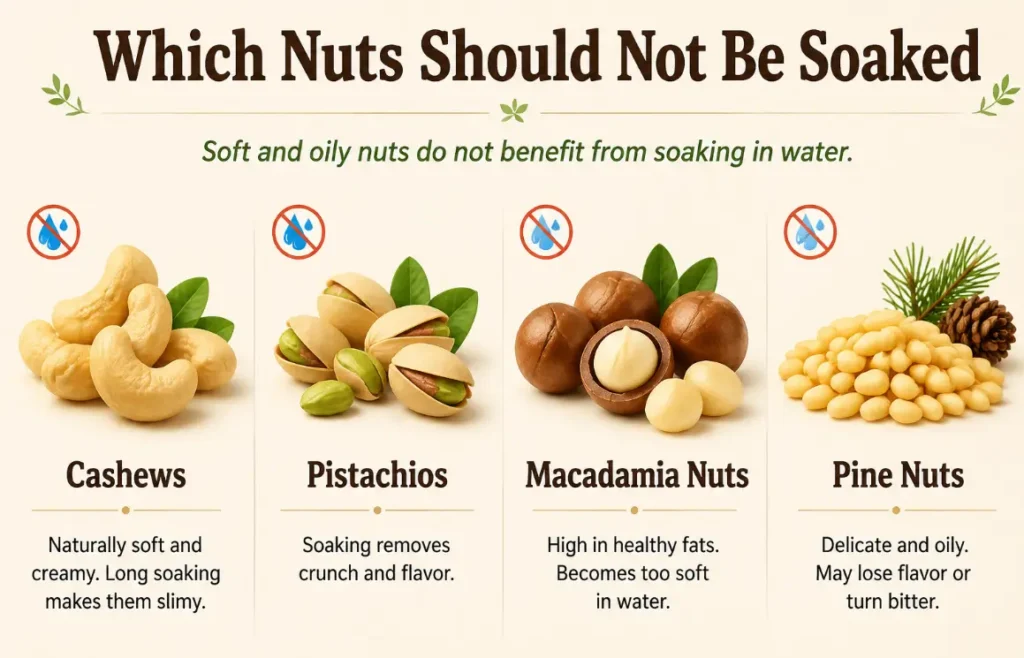
Which nuts should not be soaked in water:
- Cashews
- Pistachios
- Macadamia nuts
- Pine nuts
Cashews
The natural cashews are creamy and soft. Due to this texture, they do not need to be soaked for a long period of time.
The cashews will absorb water quickly and get slimy if left in water for too long. This can impact flavor and texture. Also, they are prone to spoilage if refrigerated after long soaking.
Vegans sometimes use short soaking for 1-2 hours to prepare dishes such as vegan cream or sauces. Dry cashews are great for snacking on every day.
Pistachios
Pistachios are great for their crunch and slightly sweet taste. Dipping pistachios in liquid can eliminate the good crunch and soften them.
In terms of which nuts should not be soaked, pistachios should not be soaked, as this doesn’t enhance their digestibility or nutrition; it just modifies the texture. It is better to eat pistachios raw or roasted.
Read More: types of pistachios
Macadamia Nuts
Macadamia nuts contain a very high level of healthy fats. This makes them buttery smooth.
Soaking macadamias in water may cause them to become soft and not very tasty to eat because of their oil content. These can also be more prone to spoilage after soaking. That is why the macadamia nuts are normally eaten raw or roasted.
Pine Nuts
The pine nuts are small and extremely rich in oil and flavour. They have short retention of water, which can lead to loss of delicate flavors.
Soaking pine nuts does not lead to any benefit. It can even give a slight bitterness in some cases. They’re already digestible, so it’s not necessary to soak them.
Read More: what are the top 5 healthiest nuts
Soaking Nuts Is Optional, Not Essential
After understanding which nuts should not be soaked in water, remember that most people just soak the nuts because they prefer it. It is not necessary to obtain health benefits. Raw and roasted nuts are already a rich source of:
- Healthy fats
- Plant protein
- Fiber
- Magnesium
- Vitamin E
Eating a small handful of nuts each day can support heart health and provide long‑lasting energy. The most important factor is choosing fresh, high‑quality nuts and storing them properly.
Which Nuts Should Not Be Soaked in the Morning?
If you are planning your breakfast routine, you might wonder which nuts should not be soaked in the morning. Generally, avoiding overnight soaking for soft nuts is very important. Nuts like cashews or pistachios, if left in water from evening until the next morning, can ferment or develop a slimy biofilm. This not only ruins the taste but can also lead to minor digestive upset. For a fresh morning snack, it is always better to consume these nuts dry or only soak them for a maximum of 20 minutes.
Choosing Quality Nuts from Kourosh Foods Company
Freshness makes a big difference in the taste and nutrition of nuts. High‑quality nuts maintain their natural flavor, texture, and nutritional value. Kourosh Foods Company focuses on sourcing premium nuts, maintaining proper storage conditions, and delivering carefully packaged products. By selecting trusted suppliers, consumers can enjoy nuts that are fresh, flavorful, and safe to eat. To choose our products, visit the Kourosh Foods Company website, choose your favorite nuts, even in bulk.
FAQs
- Which nuts should not be soaked?
Most nuts, such as cashews, pistachios, macadamia nuts, and pine nuts, should not be soaked as they are soft and could lose their texture. - Does it make any difference to soak nuts for health?
No. Raw or roasted nuts are the ideal way for most people to consume them, and they will still reap their benefits. - Where is the best place to buy quality fresh nuts?
Visit Kourosh Foods Company, choose your favorite type, and place your order.