
Potato chips are among the most popular snacks worldwide. Their salty flavor and crisp texture make them a convenient choice at home, on a trip, or at a picnic. Because they are sold in sealed bags, many people assume they last indefinitely. However, packaged chips carry a date label, and their quality can deteriorate over time. So, what happens if you eat expired potato chips, and how long are chips good for after the expiration date? The answer depends on the type of date printed on the package, whether the bag has been opened, and how the chips were stored. Understanding these factors can help you make a safer decision about potato chips.
Problems of Eating Expired Potato Chips
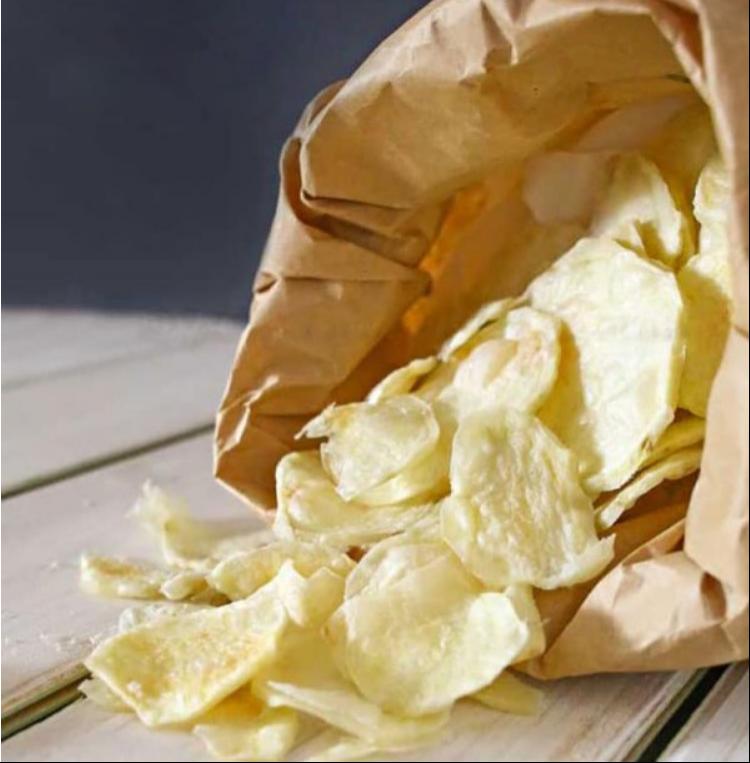
What happens if you eat expired potato chips? Eating chips shortly after a best-before date does not automatically cause illness. That date generally concerns the manufacturer’s expected quality, not a guaranteed cutoff for safety. However, a date label alone cannot tell you whether a particular bag is safe.
As chips age, they may lose their crunchy texture and fresh flavor, especially if air or humidity enters the package. Stale chips are mainly a quality problem. In contrast, oil deterioration and contamination deserve closer attention.
The oils used to fry chips can oxidize over time, particularly after exposure to oxygen, light, and heat. This can cause rancidity, which often creates an unpleasant smell or flavor. Rancidity is a sign that the product’s quality has deteriorated; it is not the same thing as food poisoning caused by harmful microorganisms.
Damaged packaging or moisture exposure can also increase the risk of contamination. If a bag has holes, visible mold, or signs of water damage, do not eat its contents. For a related comparison with another oil-rich snack, read our article on what happens if you eat expired sunflower seeds.
Is It Safe to Eat Expired Potato Chips?
Many people ask: is it safe to eat expired potato chips? There is no universal yes-or-no answer. You need to consider the exact wording of the date label, storage conditions, the bag’s seal, and any signs of deterioration. For shelf-stable foods, a best-before or best-by date commonly indicates peak quality rather than the precise date a product becomes unsafe.
An unopened bag kept in a cool, dry place may remain acceptable after a quality date, but it is not possible to guarantee safety for a particular number of days or weeks. Chips stored in a hot car, direct sunlight, or a damp room may deteriorate sooner. An opened bag has less protection against air and moisture.
According to the USDA Food Safety and Inspection Service, date labels on shelf-stable foods generally relate to quality, rather than safety. This guidance does not mean you should ignore spoilage signs or food-safety instructions.
| Situation | Time Past Date | Safe to Eat? | What to Check |
|---|---|---|---|
| Unopened, correctly stored bag | A few days past best-before | May be acceptable; not guaranteed | Label type, intact seal, storage history, spoilage signs |
| Unopened, correctly stored bag | 2–3 weeks past best-before | No fixed safety guarantee | Oil odor, moisture, seal and manufacturer guidance |
| Unopened bag | Several months past best-before | Increasing quality uncertainty | Long-term storage conditions and signs of deterioration |
| Opened bag | Any time after opening | Depends on handling and condition | Air exposure, moisture, cleanliness and rancid odor |
| Moldy or visibly contaminated chips | Any date | No; discard | Mold, water damage, contamination or broken packaging |
Important: These time ranges describe situations people commonly ask about; they are not scientifically established safe-use windows for all potato chips.
Sign to Check
Before deciding whether to keep chips that are past their best-before date, look for the following warning signs:
- A strong, stale-oil, or otherwise unusual smell
- Visible mold, moisture, or other contamination
- A torn, leaking, or otherwise damaged package
- A marked loss of crispness, which indicates reduced quality but does not, by itself, prove a food-safety hazard
If you notice mold, moisture damage, contamination, or a rancid odor, discard the chips. Do not taste chips to test whether suspicious food is safe.
How Long Are Chips Good After Expiration Date?
How long are chips good for after the expiration date? There is no reliable fixed answer such as “always two to three weeks.” For unopened chips with a best-before date, the product may retain an acceptable texture and flavor beyond that date if it has been stored correctly. However, different frying oils, packaging materials, temperatures, and handling conditions affect how quickly quality changes.
For the best flavor and crunch, use potato chips by the manufacturer’s recommended quality date. Once a package is opened, seal it promptly and follow any storage instructions on the label. Do not apply the same advice to products labeled with a safety-related use-by date.
These recommendations apply to commercially packaged chips; freshly prepared chips have different storage needs because they are not sealed under factory packaging conditions. If you prepare your own snacks, our guide on how to make potato chips at home covers the preparation process, but homemade chips should not be assumed to have the same shelf life as sealed commercial products.
Best Before vs. Use By: What Is the Difference?
Best-before / best-by: These labels generally communicate the period during which food should retain its expected quality. Chips might become less crisp or develop an off-flavor after that date without automatically becoming unsafe.
Use-by: The meaning depends on the country and product. In the United Kingdom, a use-by date is a food-safety deadline: food should not be consumed after that date, even if it looks and smells normal. In the United States, manufacturers commonly use date wording to describe quality, with special regulatory rules for certain foods such as infant formula. Always follow the rules and label instructions relevant to the product you purchased.
The UK Food Standards Agency distinguishes best-before dates (quality) from use-by dates (safety). This distinction is more useful than treating every printed date as a universal “expiration date.”
Is It Bad to Eat Expired Chips If Not Opened?
Is it bad to eat expired chips if not opened? An intact, sealed package helps protect chips from air, moisture, and external contamination. If the printed date is a best-before date, passing it does not automatically make an unopened bag unsafe. Still, the seal does not prevent every form of quality deterioration, and incorrect storage can shorten the product’s useful life.
Check whether the bag is intact and whether the chips have been exposed to excessive heat or moisture. A normal appearance or smell cannot guarantee that food is free from harmful microorganisms. If the package is damaged or the product appears contaminated, discard it instead of sampling it.
You may also like: Are Potato Chips Bad for Your Heart
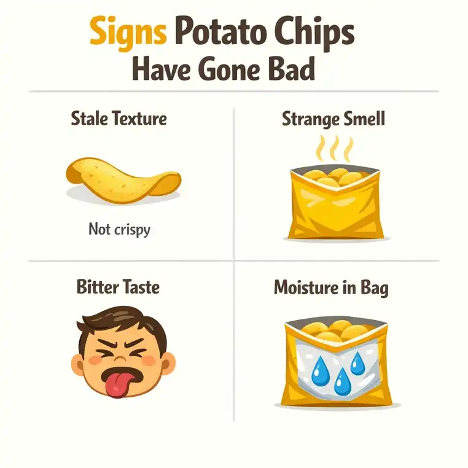
Signs That Potato Chips Have Gone Bad
Although potato chips are shelf-stable, they do not remain at peak quality forever. Learn to distinguish ordinary staleness from stronger warning signs that indicate the product should be discarded.
Stale texture
Fresh chips are crisp and crunchy. A soft or chewy texture often means they have absorbed moisture from the air or otherwise lost quality. Staleness alone does not confirm microbial contamination, but chips exposed to visible moisture damage should be discarded.
Strange smell
Oxidized frying oils may produce a sharp, stale, paint-like, or otherwise unpleasant odor. A clearly rancid smell is a good reason to throw the chips away.
Bitter taste
Rancidity can give oils an unpleasant, bitter, or soapy flavor. If you notice an unexpected off-flavor while eating, stop eating the chips. Do not deliberately taste food that already appears spoiled.
Moisture inside the bag
Visible moisture or damp packaging is a warning sign because chips are meant to remain dry. When water enters through damaged packaging, spoilage and contamination become greater concerns.
How to Recognize Rancid Potato Chips
The fats in chips can react with oxygen, leading to changes in aroma and flavor known as oxidative rancidity. Heat and light can accelerate this process. Rancidity is different from bacterial food poisoning, so an unpleasant oil smell should not be described as proof that harmful bacteria are present. Likewise, a bag that smells normal is not automatically safe if its contents have been contaminated.
If you are comparing snack storage advice, the same principles of limiting air, light, and moisture exposure also matter for dried foods; our guide to raisin shelf life looks at packaging and storage considerations for a different shelf-stable product.
How to Store Potato Chips Properly
Proper storage helps maintain potato chips’ flavor and texture. It is particularly important after opening, when the original packaging no longer provides the same protection.
- Keep unopened bags in a cool, dry cupboard away from sunlight.
- Do not store chips near radiators, ovens, or other heat sources.
- After opening, remove excess air gently and reseal the bag tightly.
- Use a clean, dry, airtight food container if the bag cannot be resealed.
- Avoid leaving chips uncovered in a humid kitchen or outdoors.
- Follow any brand-specific storage instructions printed on the package.
These steps can slow staleness and oil deterioration, but they cannot reverse rancidity or make contaminated chips safe to eat. When in doubt about contamination, discard the product.
Kourosh Foods Company, Quality Snack Products
Choosing the right supplier and following package instructions both matter when buying snacks. Kourosh Foods offers several potato-chip flavors through its website, including ketchup-flavored potato chips. Review the product’s labeling and recommended storage conditions before purchasing or serving. For product details and ordering information, explore the available snack range or contact Kourosh Foods directly.
Frequently Asked Questions
What happens if you eat expired potato chips?
Chips past a best-before date may simply be stale, but rancidity or contamination can make them unsuitable to eat. The date alone cannot predict whether you will become ill.
Is it safe to eat expired potato chips?
Passing a best-before date does not automatically make chips unsafe. Consider the label, storage conditions, packaging integrity, and any signs of spoilage; never assume that a particular number of days is guaranteed safe.
How long are chips good for after expiration date?
There is no universal extra shelf-life period. An unopened bag may retain acceptable quality beyond a best-before date when stored correctly, but its condition and the manufacturer’s instructions matter more than a fixed two- or three-week rule.
Is it bad to eat expired chips if not opened?
Unopened packaging offers more protection than an opened bag, but it is not a guarantee. Check that the package was stored correctly, remains intact, and has no signs of moisture or spoilage.
Can you get food poisoning from expired potato chips?
A passed best-before date does not itself cause food poisoning. Foodborne illness is associated with contamination, which can occur independently of the printed date. According to the US Centers for Disease Control and Prevention (CDC), severe symptoms such as bloody diarrhea, persistent diarrhea, a high fever, repeated vomiting, or dehydration warrant medical attention.
Can you eat potato chips one month after the expiration date?
Do not assume that one month is always safe or always unsafe. Identify whether the label is a best-before or a safety-related use-by date, follow the product’s instructions, and discard chips if packaging or storage conditions are questionable.
Do opened potato chips expire faster than unopened chips?
Opened chips generally lose their best texture and flavor faster because oxygen and humidity reach the chips more easily. Resealing or using an airtight container helps maintain quality.
Can stale potato chips make you sick?
Loss of crispness does not automatically mean chips are unsafe. However, do not eat chips with visible mold, moisture damage, contamination, or a rancid smell.
Should you eat expired chips if they smell normal?
Normal-smelling chips are not necessarily safe. Smell can help identify some quality problems, but it cannot reliably rule out microbial contamination. Check the label, packaging, storage conditions, and any other warning signs.