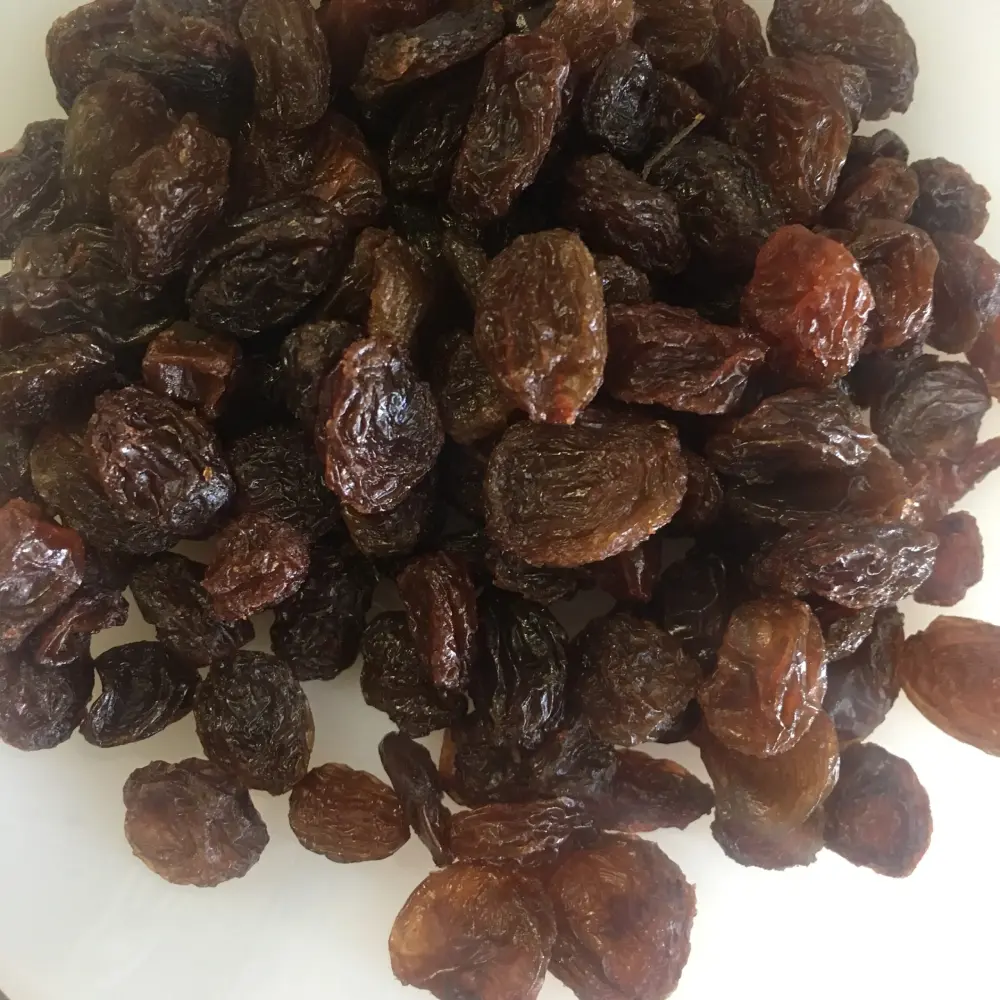
How many raisins should you eat per day? For most adults, around 30 grams of raisins is a practical portion, according to the UK’s NHS dried-fruit guidance. That is roughly 90 calories and 20 grams of natural sugar. It is a serving reference, not a mandatory daily target; the right amount depends on your diet, health and goals.
Raisins, including sultanas, are dried grapes that provide carbohydrates, fiber and potassium in a small volume. Because drying concentrates their sugars and calories, portion size matters—especially when managing blood glucose or body weight. Below, we compare raisin portions for everyday eating, constipation, weight management, children and pregnancy, and explain the nutrition behind these recommendations.
Source: NHS.
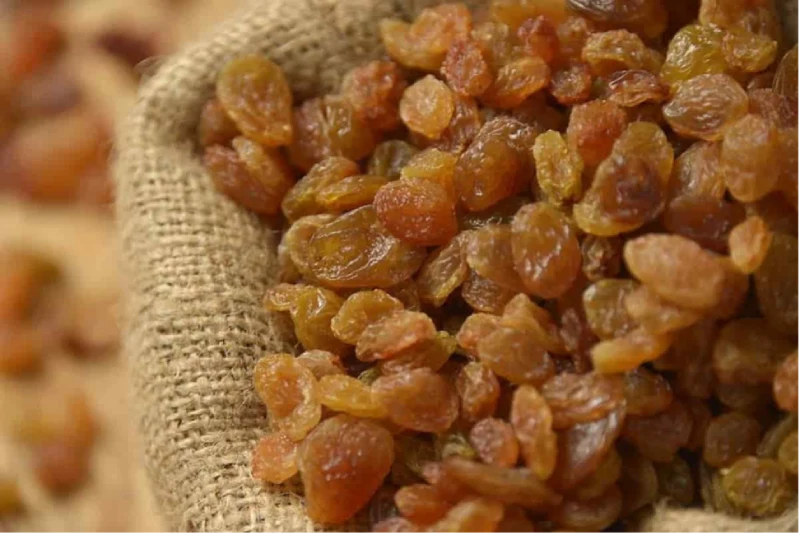
Nutritional Insights into Sultanas and Raisins
Raisins and sultanas have similar nutritional profiles. According to research summarizing USDA food-composition data, 100 g of dark seedless raisins provides approximately 299 calories, 79.3 g of carbohydrates, 65.2 g of total sugars and 4.5 g of fiber. Raisins also contain potassium and smaller quantities of iron and vitamin B6. Nutrient values vary by variety, processing and manufacturer.
For day-to-day decisions, it is more useful to look at a realistic portion than at a 100 g quantity. The table below scales those reference values to a 28 g serving (approximately one small ounce) and 30 g serving. Sugar in plain raisins is mostly naturally occurring; nevertheless, it still counts toward total carbohydrate intake.
| Nutrient | 28 g raisins | 30 g raisins | 100 g raisins |
|---|---|---|---|
| Calories | 84 kcal | 90 kcal | 299 kcal |
| Carbohydrates | 22.2 g | 23.8 g | 79.3 g |
| Total sugars | 18.3 g | 19.6 g | 65.2 g |
| Fiber | 1.3 g | 1.4 g | 4.5 g |
Approximate figures based on USDA dark seedless raisin composition, as summarized in a peer-reviewed review in Nutrients; serving values are calculated proportionally and rounded. Check the nutrition label for your product.
If you enjoy different textures or uses, varieties such as sultana raisins can be added to cereal, baking or savory rice dishes. Choose a portion based on the complete meal rather than assuming that a different raisin type requires a completely different serving size.

Comparing Sultanas to Raisins: Unveiling Nutritional Facts
Sultanas are a type of raisin, usually made from seedless grapes. Both provide energy from carbohydrates and contribute a modest amount of dietary fiber. They are not interchangeable in flavor and texture in every recipe, but their energy density is broadly comparable. Data summarized in the same scientific review lists about 301 calories per 100 g of golden raisins and 299 calories per 100 g of dark raisins; the particular product label remains the best source for a packaged item.
Statements that one type of raisin is always healthier or always contains more iron are too broad. For example, some reference data show more iron in dark raisins than in golden raisins, but nutrient composition changes with grape variety and preparation. Rather than focusing on a supposed nutritional winner, consider portions, your dietary needs and whether any added ingredients appear on the label.
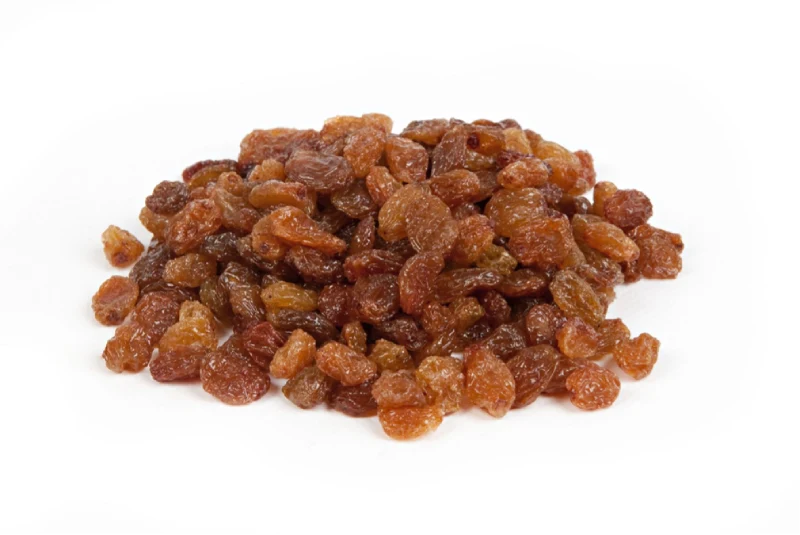
Caloric Content and Optimal Portion Sizes
A 10 g portion of raisins provides approximately 30 calories. A 28 g serving provides roughly 84 calories, while 30 g contains about 90 calories. Spoon and cup measurements are less precise because raisin size and how tightly they are packed differ. A kitchen scale gives the most reliable measure.
The NHS considers 30 g of dried fruit one adult fruit portion. That does not mean everyone should eat exactly 30 g of raisins daily, or that eating more is automatically harmful. It is a useful reference for fitting dried fruit into a varied diet alongside fresh fruit, vegetables, whole grains and protein foods.
A practical adult serving of raisins is about 30 g (around 90 calories). Because raisins concentrate carbohydrates and naturally occurring sugars, adjust the portion to your overall meal plan rather than treating it as a universal daily requirement.
Portion Size and Daily Intake Recommendations
How many raisins should you eat per day for your particular goal? There is no research-backed single daily dose for weight loss, constipation or weight gain. The table gives practical starting points, not treatment instructions or fixed medical limits.
| Goal or group | Practical portion guidance | Important context |
|---|---|---|
| General adult diet | About 30 g as a reference serving | One dried-fruit portion under NHS guidance; not a daily requirement |
| Constipation | A modest serving such as 20–30 g if tolerated | Not a proven therapeutic dose; overall fiber and adequate fluid intake matter more |
| Weight loss | Around 15–30 g if it fits calorie needs | Count calories and choose filling foods alongside raisins |
| Diabetes | About 2 tablespoons provides roughly 15 g carbohydrate | ADA carbohydrate-choice example, not a universal daily allowance |
| Children | Age-appropriate small portions | Individual needs and safe eating practices vary with age; supervise young children |
| Pregnancy | A normal small food portion if tolerated | No special raisin dose is required; gestational diabetes needs individualized guidance |
For people dealing with infrequent bowel movements, the National Institute of Diabetes and Digestive and Kidney Diseases (NIDDK) recommends adequate dietary fiber and fluids, not a specific number of raisins.
Our related comparison of prunes vs. raisins for constipation explains why dried fruits may differ in how they affect digestion.
benefits of eating raisins at night
Navigating Weight Management Activities
Raisins can fit into either a weight-loss or weight-gain meal plan, but their effect depends on total food intake—not on a magic number of raisins. Because dried fruit is energy-dense, weighing portions can make the difference between a small topping and a substantial snack.
How Many Raisins to Eat Per Day for Weight Loss?
If you are managing your weight, try a small measured portion, such as 15–30 g, within your daily energy needs. This is a practical portion example rather than a scientifically established weight-loss dose. For greater fullness, add raisins to plain yogurt, oats or a meal that also contains protein and fiber instead of relying on a large handful of dried fruit alone.
There is no good basis for saying that raisins by themselves cause weight loss. Their benefits depend on what they replace, your total calories, physical activity and eating pattern. See our article on raisins for weight loss for more ways to use them in a balanced eating plan.
How Many Raisins to Eat Per Day to Gain Weight?
For weight gain, raisins can be an easy source of additional calories because a 30 g serving adds roughly 90 kcal. Rather than recommending 80–160 g to everyone, add a suitable portion to meals according to your total calorie requirements. Combining raisins with foods such as nuts or yogurt can help create a more substantial snack with protein and fat.
If weight gain is difficult, unintentional weight loss has occurred, or you have a medical condition affecting nutrition, seek advice from a qualified healthcare professional or registered dietitian instead of relying on dried fruit alone.
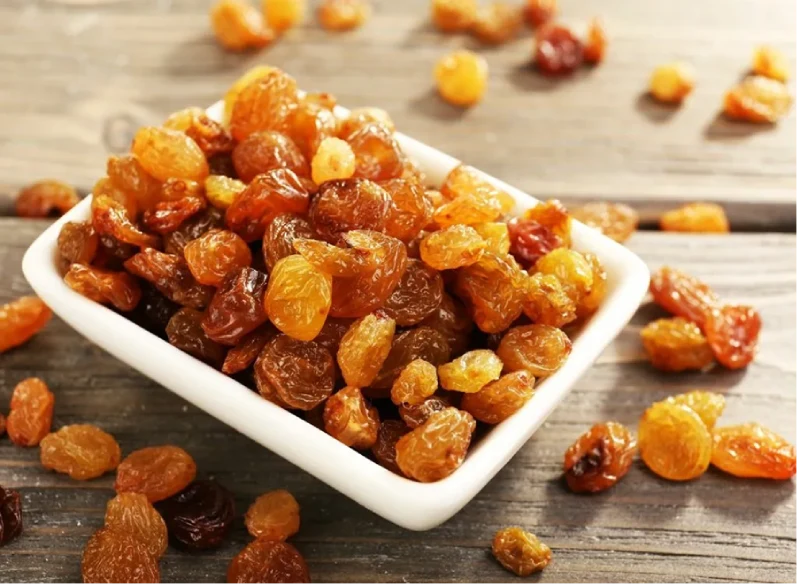
Warning: Considering Health Implications
Raisins are nutritious, but large servings can add significant calories and carbohydrates. They are not inherently harmful because they taste sweet, and their natural sugar should not be confused with an added-sugar ingredient. Nevertheless, people who manage blood glucose must account for their total carbohydrate intake. The American Diabetes Association notes that approximately two tablespoons of dried fruit can provide 15 g of carbohydrates.
For people with diabetes or gestational diabetes, the amount of raisins that fits a meal depends on medication, glucose targets, other foods and the individual care plan. Raisins should not be promoted as a way to treat diabetes or control blood glucose. Readers exploring different dietary situations can also consult our guide on raisins during pregnancy, while obtaining personalized advice from their maternity-care team when needed.
Dried fruit can also stick to teeth. The NHS recommends eating dried fruit with meals rather than repeatedly snacking on it between meals to help reduce the risk of tooth decay. Increasing fiber suddenly may also cause digestive discomfort for some people, so increase servings gradually if your usual diet is low in fiber.
For most adults, about 30 g is a useful reference portion of raisins—not a required daily dose. Weight-management portions depend on total calories, and people with diabetes should count raisins as a source of carbohydrate.
Practical Tips for Raisin Incorporation
Adding a measured portion of raisins to meals is an easy way to enjoy their flavor without losing track of the amount. Consider these ideas:
- Sprinkle 15–30 g of raisins over oatmeal, breakfast cereal or plain yogurt rather than pouring them straight from the package.
- Add a small quantity to salads with leafy vegetables, grains and a protein source.
- Use raisins in muffins, bread or cookies, and include their sugars and calories when estimating a recipe’s nutrition.
- Combine a portion of raisins with nuts and seeds for a balanced snack; measure both ingredients because they are energy-dense.
- Fold raisins into couscous, rice pilaf or curry for natural sweetness.
When choosing a variety, consider how the raisins will be used: golden raisins work well in baked goods and grain dishes, while darker raisins can provide a different flavor and appearance. Portion guidance remains broadly similar, but always check the specific product label.
Conclusion
So, how many raisins should you eat per day? For most adults, 30 g is a practical dried-fruit serving based on NHS guidance, but it is not a compulsory or medically prescribed daily amount. A 28 g serving offers approximately 84 calories, 22 g of carbohydrates and 18 g of sugar, according to the USDA-derived reference values used above.
For weight loss, focus on total calorie intake; for constipation, focus on dietary fiber and fluids; and for diabetes, count carbohydrates according to your care plan. Enjoy raisins as part of varied meals rather than relying on them to treat or prevent any condition.
Quality Raisins in Kourosh Foods
Kourosh Foods offers different types of Iranian raisins for food businesses and buyers seeking ingredients for snacks, baking and food production. Explore the available products and packaging details before making a purchasing decision. To discuss specifications, order quantities or availability, contact KouroshFoods directly. Product quality claims should be supported by current specifications and applicable quality documentation rather than assumed from raisin variety alone.
Frequently Asked Questions
How many raisins can I eat in a day?
About 30 g is a practical adult serving under NHS guidance. You may eat less, more or none depending on your overall diet and health needs; it is not a mandatory daily amount.
How many raisins should I eat per day for constipation?
There is no clinically established raisin dose for constipation. A modest portion can contribute some fiber, but adequate fluid intake and overall fiber consumption are more important. Persistent symptoms require medical assessment.
How much sugar is in 28 grams of raisins?
Approximately 18 g of total sugar, based on USDA-derived data for dark seedless raisins. The exact amount varies by product and variety.
Are 10 raisins a day enough?
Ten raisins are a small snack, not a scientifically defined nutritional target. The number matters less than the total weight, your other foods and your dietary goals.
Can people with diabetes eat raisins?
Yes, raisins can sometimes fit into a diabetes meal plan, but their carbohydrates must be counted. The ADA uses approximately two tablespoons of dried fruit as an example of a 15 g carbohydrate serving.
Can children and pregnant people eat raisins every day?
Raisins can be part of a varied diet, but portions should reflect age, individual needs and any medical concerns. Young children need age-appropriate serving and supervision; during pregnancy, individualized advice matters particularly when gestational diabetes is present.
Editorial note: This article provides general nutrition information, not individualized medical advice. Nutrient estimates are based on reference data and can differ from the values on a specific product label.