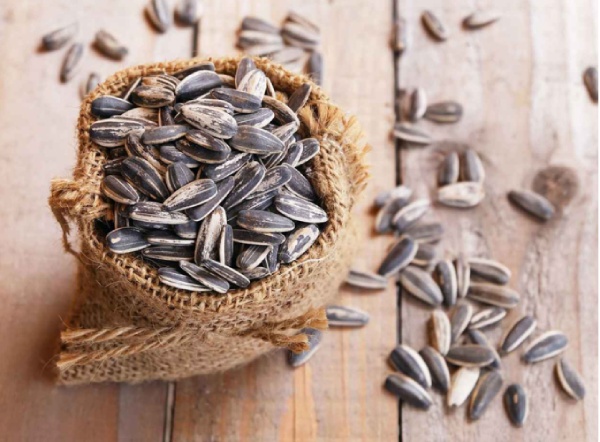
Sunflower seeds side effects are an important consideration, even though sunflower seeds are a popular snack enjoyed by people of all ages around the world. They are delicious and rich in essential nutrients such as vitamin E, magnesium, healthy fats, and protein. However, like any other food, excessive consumption may lead to certain health concerns. In this article, we will explore the most common sunflower seeds side effects, their potential risks, and how to enjoy sunflower seeds safely. To prepare and order wholesale food products and dried fruit bulk wholesale, visit the Kourosh Foods website.
Side Effects of Eating Sunflower Seeds

Consuming sunflower seeds has lots of benefits for the body but the disadvantages of sunflower seeds cannot be ignored. They include:
-
Digestive Discomfort
While sunflower seeds are a great source of fiber, protein, and healthy fats, consuming them in excessive amounts. These seeds contain a high amount of fiber, and excessive consumption can cause, gas, and even diarrhea. To avoid these issues, it’s essential to enjoy sunflower seeds in moderation.
-
High Caloric Content
One of the disadvantages of sunflower seeds is that their calorie content is high. They are high in calories compared to their small size. Overeating sunflower seeds can cause excessive calorie intake, potentially leading to weight gain if not balanced with other aspects of your diet.
-
Allergies to Sunflower Seeds
Another potential side effect of sunflower seeds is allergic reactions, although they are relatively rare.. Allergic reactions can range from minor to severe and include symptoms such as itching, swelling, hives, difficulty breathing, or anaphylaxis. It’s essential to be aware of any allergies you may have and consult a healthcare professional if you suspect a sunflower seed allergy..
-
High Sodium Content
Salty sunflower seeds are a popular snack, but they come with their own disadvantages. These seeds are often heavily salted, contributing to a high sodium intake. Excessive sodium intake can lead to hypertension (high blood pressure) and other cardiovascular issues. Choose unsalted or lightly salted varieties when enjoying sunflower seeds.
-
Potential for Dental Problems
Another potential side effect is that chewing sunflower seeds, especially in their shells, can be hard on your teeth. Over time, this can lead to dental problems such as enamel erosion and even cracked teeth. To reduce this risk, try to consume shelled sunflower seeds, which are less hard, and be mindful of your chewing habits.
-
Phytic Acid Content
Sunflower seeds, like many other seeds, contain phytic acid, a compound that can reduce the absorption of certain minerals, including calcium, magnesium, and iron. If you depend on sunflower seeds as a dietary source of these minerals, it is important to eat a varied diet other foods is important to ensure satisfactory nutrient absorption. Korosh Foods Company is a supplier of all kinds of food such as Bulk raisins wholesale and wholesale suppliers of juice concentrate in Iran.
Can Contaminated Sunflower Seeds Cause Food Poisoning?
Improperly stored or contaminated sunflower seeds, especially sprouted seeds, may carry harmful bacteria such as Salmonella. Although this is uncommon, consuming contaminated products can cause food poisoning, including diarrhea, vomiting, fever, and stomach cramps. Always purchase sunflower seeds from trusted suppliers and store them properly.

Can Eating Too Many Sunflower Seeds Harm Your Kidneys?
Sunflower seeds naturally absorb small amounts of cadmium from the soil. While moderate consumption is considered safe, eating very large amounts over a long period may increase cadmium intake. Excessive exposure to cadmium has been linked to kidney damage. This is another reason why moderation is recommended.
Learn more about sunflower seeds shelf life in our storage guide.
Nutritional Imbalance: Other Side Effects of Sunflower Seeds
Sunflower seeds are highly nutritious, but extra consumption can lead to an imbalance in your diet. These tiny seeds are calorie-dense and contain a significant amount of healthy fats. While the fats found in sunflower seeds are mostly healthy, they can contribute to weight gain if consumed in large amounts. Moreover, sunflower seeds are also high in omega-6 fatty acids, and when consumed in large quantities, may disrupt the balance between omega-6 and omega-3 fatty acids in the body. This imbalance has been linked to inflammation and various health issues and which may contribute to other health concerns of sunflower seeds.

Consider Aging and Deterioration of Sunflower Seeds
Sunflower seeds, like any other food product, have a limited shelf life. Over time, the natural oils in the seeds can become rancid, resulting in an unpleasant taste and odor. Consuming rancid sunflower seeds can lead to digestive issues such as nausea, vomiting, and diarrhea. Also, unsuitable storage conditions can also lead to the growth of mold on sunflower seeds, which can produce harmful toxins that may pose serious health risks. Remember not to store sunflower seeds in warm conditions such as places exposed to direct sunlight.
In some people, excessive consumption of sunflower seeds may also cause stomach pain, nausea, or vomiting due to digestive irritation or food intolerance.
Moderation: Key to Prevent Side Effects of Sunflower Seeds
While the disadvantages and potential side effects of consuming sunflower seeds exist, it’s important to emphasize that moderation is key to preventing the side effects of eating sunflower seeds and enjoying the benefits of these nutritious seeds without experiencing significant side effects.

Can Sunflower Seeds Cause Diarrhea?
Yes, sunflower seeds can cause diarrhea when eaten in excessive amounts. They are naturally high in dietary fiber, and consuming too much fiber in a short period may speed up bowel movements and lead to diarrhea, especially in people who are not accustomed to a high-fiber diet. Eating sunflower seeds in moderation and drinking enough water can help reduce this risk.
Although sunflower seeds are commonly associated with diarrhea when overeaten, insufficient water intake while consuming large amounts of fiber may also contribute to constipation in some individuals.
Do Sunflower Seeds Cause Gas?
Yes, sunflower seeds may cause gas and bloating, especially when consumed in large quantities. Their high fiber content can increase gas production during digestion, particularly for people with sensitive stomachs or those who suddenly increase their fiber intake.
Order Sunflower Seeds from Kourosh Foods Company
While sunflower seeds offer numerous health benefits when consumed in moderation, it’s essential to be aware of their potential disadvantages and side effects. Digestive discomfort, allergies, high calorie and sodium content, dental issues, and the presence of phytic acid are all factors to consider when incorporating sunflower seeds into your diet.
calories in sunflower seeds with shell
Remember, a balanced and varied diet is key to maintaining good health. If you enjoy sunflower seeds, do so in moderation and be mindful of your overall dietary choices to ensure you receive all the nutrients your body needs. To Buy sunflower seeds from kourosh Foods, contact us through the website.
faq
- Can sunflower seeds cause diarrhea?
Yes. Eating excessive amounts of sunflower seeds may cause diarrhea because of their high fiber content, especially if your body is not used to a high-fiber diet. - Do sunflower seeds cause gas?
Yes. Sunflower seeds may cause gas and bloating when consumed in large quantities, particularly in people with sensitive digestive systems. - What are the most common sunflower seeds side effects?
The most common side effects include digestive discomfort, bloating, gas, diarrhea, weight gain from overeating, allergic reactions, excessive sodium intake from salted seeds, and reduced mineral absorption due to phytic acid. - How many sunflower seeds are safe to eat per day?
For most healthy adults, a small handful (about 1 ounce or 28–30 grams) per day is generally considered a healthy serving when included as part of a balanced diet. - Can sunflower seeds damage your kidneys?
Eating sunflower seeds in moderation is generally safe. However, consuming very large amounts over a long period may increase cadmium intake, which has been associated with kidney damage. - Are salted sunflower seeds unhealthy?
Salted sunflower seeds can be high in sodium. Frequent consumption of heavily salted varieties may increase the risk of high blood pressure and other cardiovascular problems.