Kimia dates (Mazafati dates) are known for their soft texture, dark brown to nearly black skin, and naturally sweet flavor. They are commonly associated with Bam in Iran’s Kerman Province. But what is the difference between Kimia dates and normal dates? The main differences are moisture, texture, appearance, handling, and the uses for which each variety is preferred. Unlike Kimia, some varieties, such as Zahidi and Deglet Noor, are generally firmer and less moist.
Quick Answer: Kimia Dates vs Normal Dates
Kimia dates are soft Iranian Mazafati dates with dark skin, moist flesh, and a rich, sweet taste. “Normal dates” is not a separate variety: the term may refer to Medjool, Deglet Noor, Zahidi, or other dates. Compared with firmer varieties, Kimia dates usually require more careful temperature-controlled storage and transport.
What Are Kimia Dates?
Kimia dates are a name widely used in trade for Iranian Mazafati dates. Mazafati is the date variety, while Kimia is commonly used as a market name, sometimes particularly for selected grades. The precise grade implied by “Kimia” can vary between sellers, so importers should confirm the size, moisture, appearance, and grading specifications rather than treating the name alone as a quality guarantee.
These dates are particularly associated with Bam and surrounding date-growing areas in Kerman Province, Iran. Their delicate texture, rich sweetness, and dark appearance distinguish them from many firmer or drier varieties. Buyers seeking specifications and current export availability can review the Kimia dates product page for wholesale availability and request a quotation for the required grade and destination.
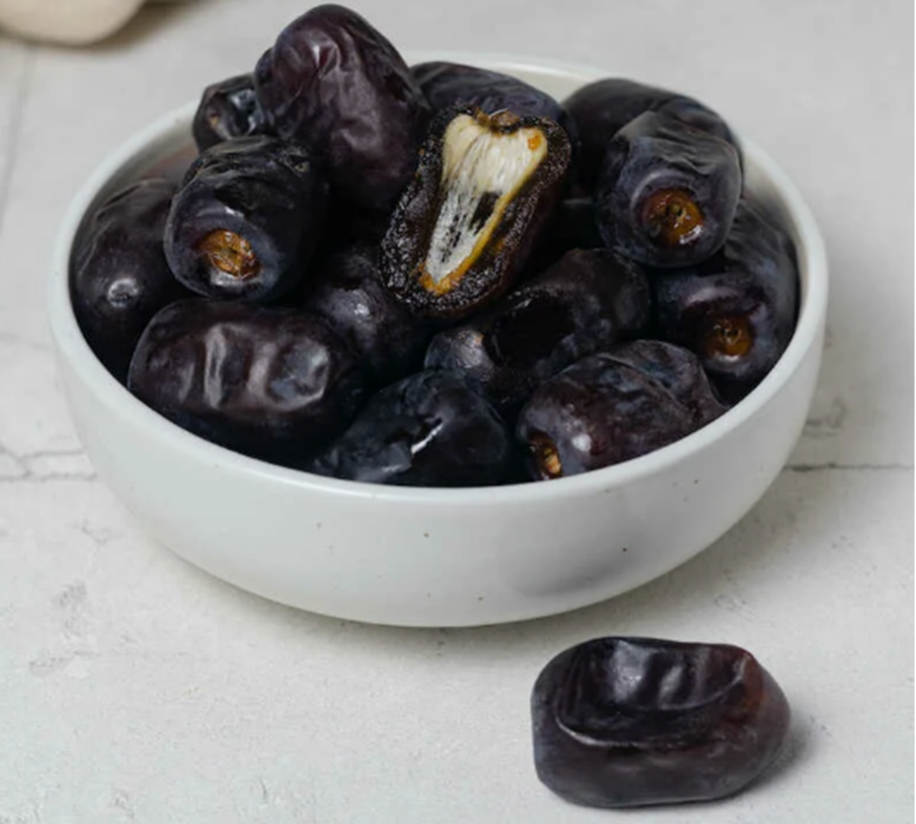
Many Kimia dates have an oval to elongated shape and a glossy or slightly wrinkled skin. Variation in skin appearance is natural and depends on maturity, handling, and storage. Dark color or gloss alone does not prove geographic origin, authenticity, or quality.
Where Do Kimia Dates Come From?

Kimia (Mazafati) dates originate from Iran and are particularly well known as a product of the Bam area in Kerman Province. Although the Bam association is important in export markets, a buyer should check the actual production region for the shipment offered. Origin documents, producer information, batch identification, and product specifications provide stronger evidence than marketing descriptions alone.
Ripeness, irrigation, handling, and storage also affect the final product. Consequently, dates sold under the same commercial name can differ in size, softness, moisture, and shelf life between harvests and batches. For bulk purchasing, ask for representative photos or samples and a clear product specification.
Getting to Know Normal Dates
“Normal dates” is an informal term rather than a botanical category. The varieties most often compared with Kimia include Medjool, Deglet Noor, and Zahidi, each with its own taste, texture, size, and commercial uses. The Middle East, North Africa, and the United States are among the places where these types of dates are cultivated.
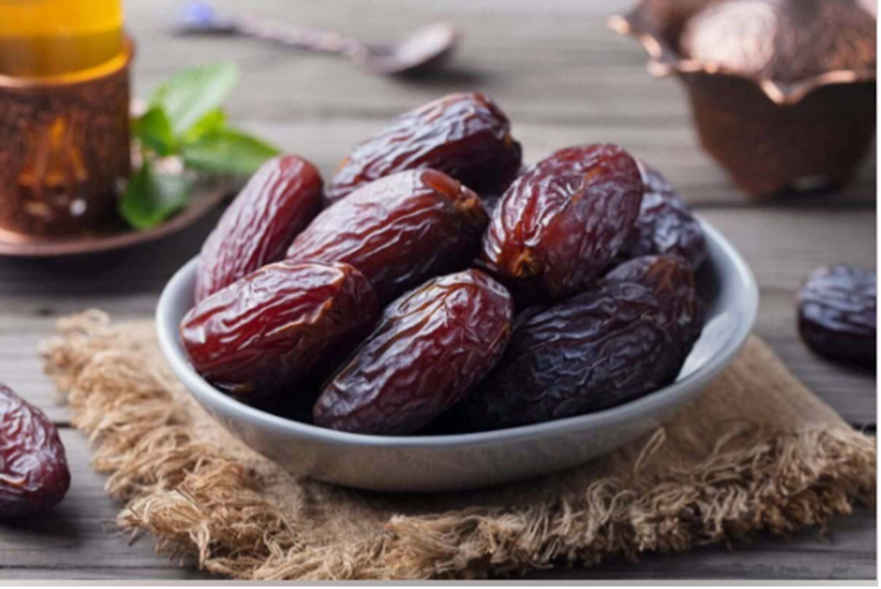
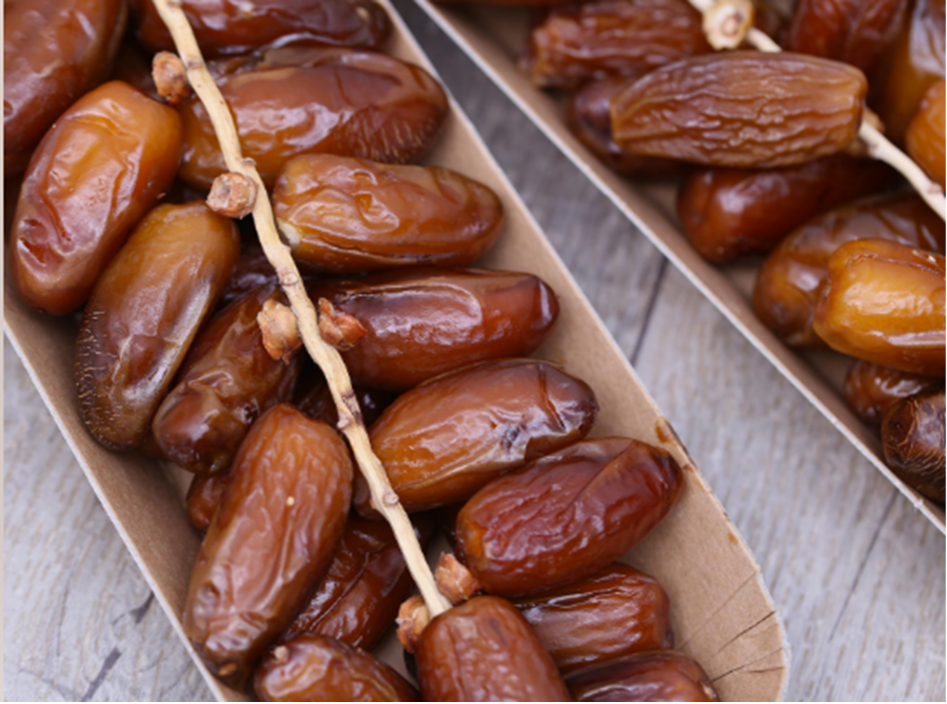
Medjool dates are generally large, soft to chewy, and richly sweet, often with toffee-like notes. Deglet Noor dates are commonly firmer, amber-colored, and useful when dates need to be chopped or incorporated into recipes. Zahidi dates are usually firmer and less moist than Kimia, with a mildly nutty flavor. These characteristics can vary by grade and harvest.
Kimia Dates vs Other Dates: Quick Comparison
The following table compares typical characteristics, not guaranteed measurements for every shipment. Moisture and storage requirements should always be confirmed for the specific grade.
| Date Type | Moisture / Texture | Flavor Notes | Common Uses | Storage Considerations |
|---|---|---|---|---|
| Kimia (Mazafati) | Moist, very soft, sometimes slightly sticky | Rich sweetness, caramel-like notes | Table dates, stuffed dates, desserts, date paste | Usually needs a controlled cool or refrigerated supply chain |
| Medjool | Soft to chewy, substantial flesh | Rich sweetness, toffee-like notes | Snacking, stuffing, smoothies, baking | Cool storage; requirements depend on moisture and package |
| Deglet Noor | Commonly firmer and less sticky | Mild, honey-like sweetness | Baking, chopping, cereals, cooking | Keep sealed and protected from heat and humidity |
| Zahidi | Relatively firm and lower in moisture | Mild sweetness, slightly nutty notes | Baking, processing, snacks, date ingredients | Keep in appropriate dry, cool conditions |
Dates’ Physical Characteristics Comparison
To understand the difference between Kimia dates and other varieties, consider the fruit’s size, color, texture, taste, and nutritional composition together. None of these individual features is sufficient to establish authenticity.
1. Size and Shape
- Kimia Dates: Commonly medium to large and oval or elongated. Some product descriptions cite approximately 2.5–4 cm in length, but size varies by grade and should not be treated as a universal specification.
- Other Types of Dates: Medjool dates are often comparatively large, while Deglet Noor and Zahidi are generally smaller or more elongated, depending on their grades.
2. Color and Appearance
- Kimia Dates: Usually dark brown to nearly black; skin may be glossy, slightly wrinkled, or show natural variation. A perfectly smooth surface is not a necessary sign of quality.
- Other Types of Dates: Zahidi dates commonly appear golden to light brown, Deglet Noor often amber to light brown, and Medjool brown to reddish-brown.
3. Texture and Softness
- Kimia Dates: Their relatively high moisture content gives the flesh a tender, sometimes sticky texture. This makes packaging and cold-chain decisions particularly important.
- Other Types of Dates: Zahidi dates are typically firmer; Deglet Noor is often semi-dry or firm; Medjool can be soft and chewy. Moisture depends on harvest maturity and handling.
4. Taste and Flavor Profile
- Kimia Dates: A rich sweet flavor, often described as caramel-like, accompanies the soft texture.
- Other Types of Dates: Medjool is often described as toffee-like; Zahidi is relatively mild with nutty notes; Deglet Noor tends toward a lighter, honey-like sweetness. These are sensory descriptions rather than strict quality standards.
5. Nutritional Profile
- Kimia Dates: Like other dates, they provide naturally occurring sugars, carbohydrates, dietary fiber, and minerals. Exact values depend on the fruit’s moisture, variety, and batch.
- Other Types of Dates: Medjool, Deglet Noor, and Zahidi also provide carbohydrates, fiber, and minerals. A meaningful per-100-g comparison requires verified, variety-specific data; a wetter fruit can differ significantly from a drier one by weight.
For general date nutrition data, consult USDA FoodData Central. Do not use a generic date nutrition panel as a certified analysis of a particular commercial Kimia shipment. Dates can be part of a balanced diet, but there is no basis for claiming one variety universally prevents or treats a medical condition.
Key Difference at a Glance
Kimia dates are typically darker, softer, and more moisture-sensitive than Zahidi or many Deglet Noor dates. Medjool can also be soft and sweet, but differs in size and typical texture. For wholesale orders, compare confirmed grade, fruit size, moisture, packaging, and shipping requirements rather than relying on variety names alone.
Uses and Culinary Applications
Kimia dates are popular as ready-to-eat table dates because of their soft flesh and rich taste. They can also be used in stuffed dates, desserts, date paste, and sweet preparations when a moist texture is desirable. Their softness can be an advantage in food production, although processors must consider stickiness and handling.
Medjool dates are also widely used for snacks, stuffing, smoothies, and baking. The firmer flesh of Deglet Noor can make chopping and mixing into cereal or baked products convenient. Zahidi dates may suit processing applications and recipes where a firmer texture is preferable. Selection depends on the finished product, equipment, storage and the desired flavor.
For a firmer Iranian variety, buyers can compare the characteristics and available specifications of Zahedi dates. For another commercially important Iranian variety, Sayer (Estamaran) is a further option to consider.
Price, Market Availability, and Storage of Different Dates
The wholesale price of Kimia dates cannot be determined solely from their variety name. Grade, size, moisture, appearance, harvest availability, packing format, quantity, destination, and transportation conditions all affect a quotation. Kimia dates are sometimes marketed as premium table dates, but they are not necessarily more expensive than every other variety or grade.
Because Kimia dates are relatively moist, careful storage and suitable temperature control help preserve their texture and reduce spoilage risk. The FAO’s guidance on date products explains how maturity and moisture influence storability; high-moisture dates are generally more perishable than lower-moisture, fully ripened dates. Even firmer varieties should be protected from excess heat, humidity, infestation, and unsuitable packaging.
What Bulk Buyers Should Confirm Before Ordering
- Variety and commercial designation: Mazafati/Kimia, Medjool, Deglet Noor, Zahidi, or another variety.
- Grade and size range, including acceptable variation in appearance.
- Moisture or relevant product specifications for the offered batch.
- Packaging dimensions, net weight, labeling, and destination-country requirements.
- Requested volume, delivery destination, shipping method, and agreed transport conditions.
- Availability of batch photos, samples, and applicable quality documentation.
Buyers comparing several Iranian varieties can explore the Iranian dates wholesale range before requesting a quote for a specific grade. For orders of moist dates, confirm cold-chain handling with the supplier instead of assuming a universal storage temperature for all shipments.
Consumer Preferences and Perceptions
Kimia dates appeal to customers who prefer a very soft, sweet table date. Their dark appearance and tender flesh can make them suitable for gift packs, hospitality service, and seasonal demand such as Ramadan, subject to market preferences. Medjool dates are also commonly positioned as premium table dates, while Zahidi and Deglet Noor can appeal to buyers looking for firmer fruit or food-processing ingredients.
Market preferences vary by country, retail format, and price segment. Importers and distributors should match the variety and grade to their customers rather than assuming one type of date is the best choice in every market. The difference is particularly important when a buyer is selecting fruit for display packs versus ingredient manufacturing.

How to Identify Original Kimia Dates Before Buying
Kimia dates are typically dark and soft, but appearance alone cannot verify that a shipment is genuine Mazafati or that it comes from Bam. Request a clear grade description, batch photos or samples, and traceability documents where applicable. Assess texture, uniformity, packaging condition, and any quality requirements agreed in the contract. If authenticity is your main concern, read our guide to identifying original Kimia dates for a more detailed checklist.
Conclusion: Which Date Variety Should You Choose?
Kimia (Mazafati) dates stand out for their dark color, high-moisture texture, and rich sweetness. Medjool dates share a soft, indulgent eating style but tend to have different size and texture characteristics. Deglet Noor and Zahidi are generally firmer choices for cooking, chopping, or selected processing applications. The best option depends on your market and intended use, not on a claim that one variety is universally superior.
For bulk buyers, comparing specifications and handling requirements is just as important as comparing flavors. Kourosh Foods can discuss available Iranian varieties, grade options, packaging requirements, and current wholesale quotations for the requested destination.
High-Quality Dates from Kourosh Foods
KouroshFoods supplies Iranian date products to importers, distributors, and food businesses. When requesting a commercial offer, provide the intended variety, quantity, grade, packaging requirements, and destination so the team can confirm current product availability and shipping options. Whether you are interested in soft Kimia dates or a firmer variety, the product specification should be agreed before placing a bulk order.
Frequently Asked Questions
What is the difference between Kimia dates and normal dates?
Kimia is a trade name commonly used for soft Iranian Mazafati dates. “Normal dates” is not a specific variety. Compared with firmer dates such as Zahidi and Deglet Noor, Kimia dates are usually softer, darker, and more moisture-sensitive.
Are Kimia dates and Mazafati dates the same?
Kimia and Mazafati frequently refer to the same Iranian date variety in commercial listings. Because Kimia may also be used as a grade or marketing designation, confirm the seller’s actual specification before ordering.
Which country do Kimia dates come from?
Kimia (Mazafati) dates are associated with Iran, especially the Bam region of Kerman Province. For a particular shipment, ask the supplier to confirm its origin.
What is the difference between Medjool dates and Kimia dates?
Both are usually sweet and relatively soft. Kimia is commonly dark, moist, and tender, while Medjool is often larger with thicker, chewier flesh. Actual characteristics vary by grade and storage.
Are Kimia dates healthier than other dates?
No one date variety can be described as universally healthier. All dates provide carbohydrates, natural sugars, and varying amounts of fiber and minerals. Nutrient values should be compared using reliable variety-specific data.
Which dates are better for baking and cooking?
Firmer varieties such as Deglet Noor and Zahidi can be convenient for chopping and mixing, while soft Kimia and Medjool dates are often chosen for pastes, stuffing, and soft-textured desserts. The best choice depends on the recipe.
Why can Kimia dates cost more than some other dates?
Price depends on grade, demand, harvest, moisture, packaging, order size, and shipping. Premium Kimia lots may be priced higher than some firmer grades, but there is no universal price ranking between date varieties.
How should Kimia dates be stored and shipped?
Due to their relatively high moisture, Kimia dates usually require cool or refrigerated handling. The exact conditions and expected shelf life should be confirmed for the batch, packaging, and shipping route.
How can original Kimia dates be identified?
Typical signs include a dark appearance and soft flesh, but these are not proof of origin or authenticity. Ask for product specifications, representative samples, and relevant traceability information.