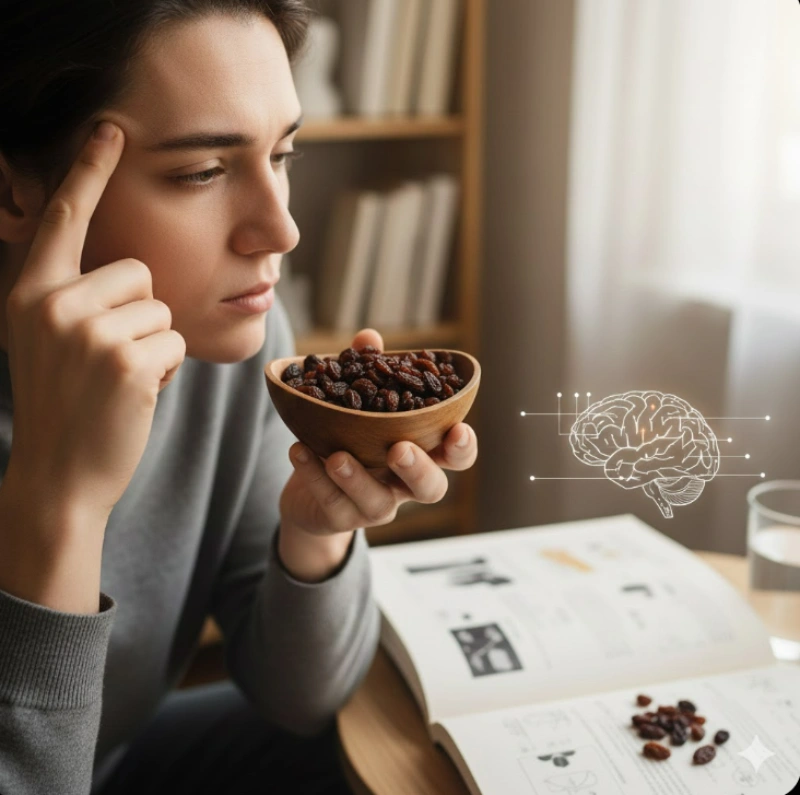
Raisins are used as part of a balanced diet to care about brain health and memory, primarily because they are rich in antioxidants, polyphenols, natural sugars, and important micronutrients. Are raisins good for the brain? Both animal and human research indicate that raisins, as healthy snacks have small positive effects on mental functions, particularly in the elderly, but they are not a cure or treatment by themselves for cognitive disorders of the brain. Continue reading to find out more.
Brain Health Nutrient Profile of Raisins
To answer the question of are raisins good for your brain, we should know that one cup of raisins contains natural sugars (primarily glucose and fructose), minimal protein, practically no fats, and minerals (potassium and iron), B vitamins (vitamin B6). Such nutrients aid in the metabolism of energy by the neurons, enabling them to control the blood pressure and circulation, as well as being involved in the synthesis of neurotransmitters, and all of this is important to the brain.
Antioxidants and Resveratrol of Raisins
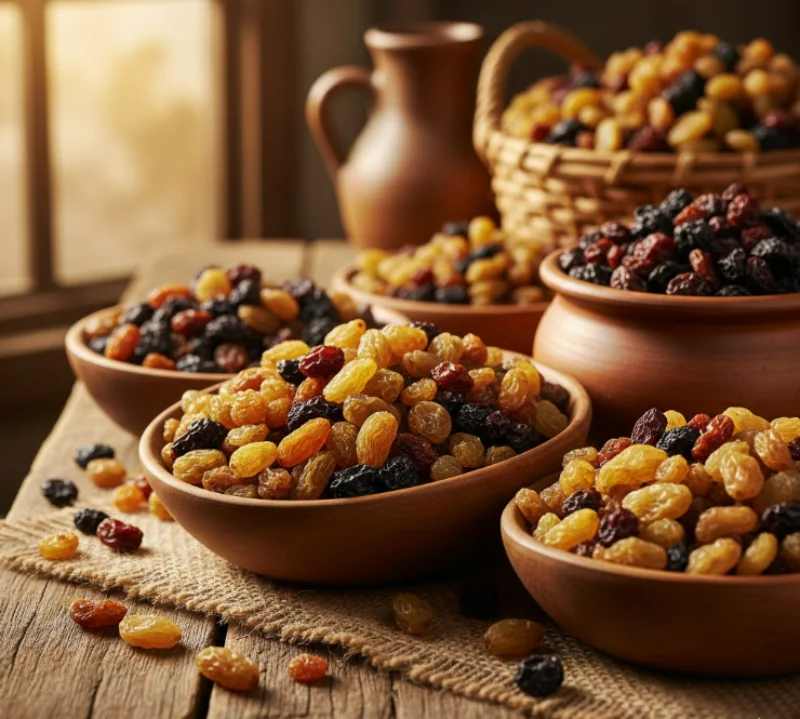
Most varieties of raisins are rich in a wide range of polyphenols, including flavonols, flavanols, anthocyanins, and stilbenes, most notably resveratrol, in darker and less processed forms. These antioxidants help in countering the reactive oxygen species and reduce oxidative stress, which is associated with brain aging, neuron damage, and cognitive impairment.
Are raisins good for brain health? In experimental models, it has been linked with enhanced neuronal plasticity, greater blood flow to the brain, and healthier hippocampal functioning of the brain, all of which are important memory and learning mechanisms, by resveratrol and associated polyphenols found in grapes.
Brain Aging and Disease Prevention
Are raisins good for memory? Neurodegenerative diseases like Alzheimer are associated with oxidative stress and chronic inflammation. Antioxidative stress and other kinds of inflammation that occur before symptoms can be detected by grape polyphenols, such as those found in raisins and may contribute to delaying age-related structural degeneration of brain structures such as the hippocampus and corpus callosum.
Read More: what do moldy raisins look like
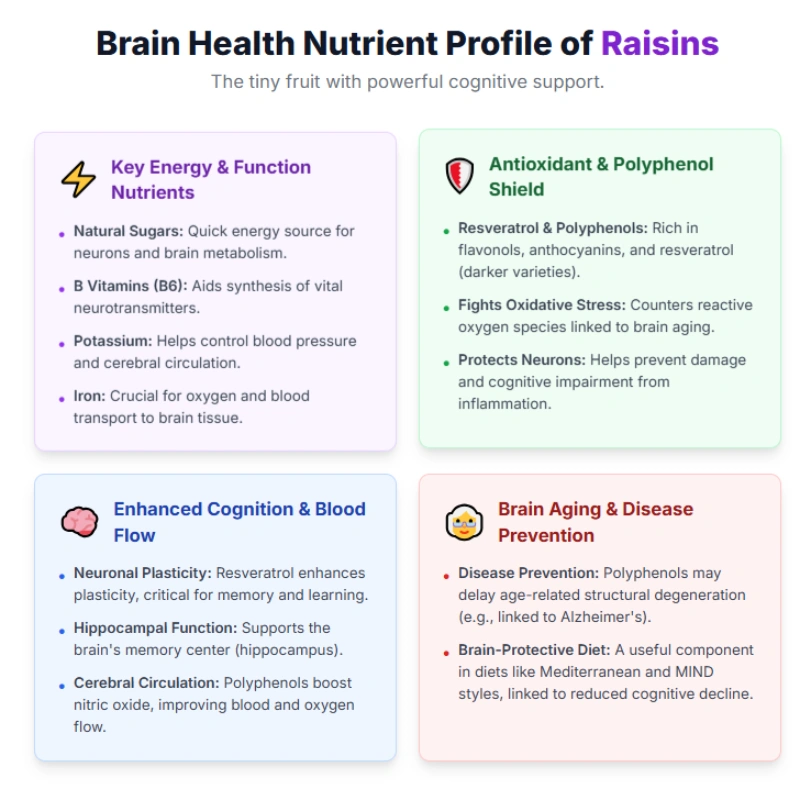
Temperate and interventional studies of high-plant polyphenol diets, including patterns of Mediterranean and MIND style, where dried fruits are included, have found a relationship with reduced incidences of cognitive decline and Alzheimer disease, but are measuring whole diet patterns and not raisins specifically. This implies that raisins can be one of the useful ingredients of a brain-protective diet.
Blood Flow, Iron, and Energy to the Brain
Grapes and raisins have polyphenols that can improve the functioning of the endothelium and the supply of nitric oxide, which promotes the normal blood flow of the cerebral vessels and oxygen transport to brain tissue. Raisin potassium also contributes to the regulation of blood pressure, which promotes normal circulation to the brain.
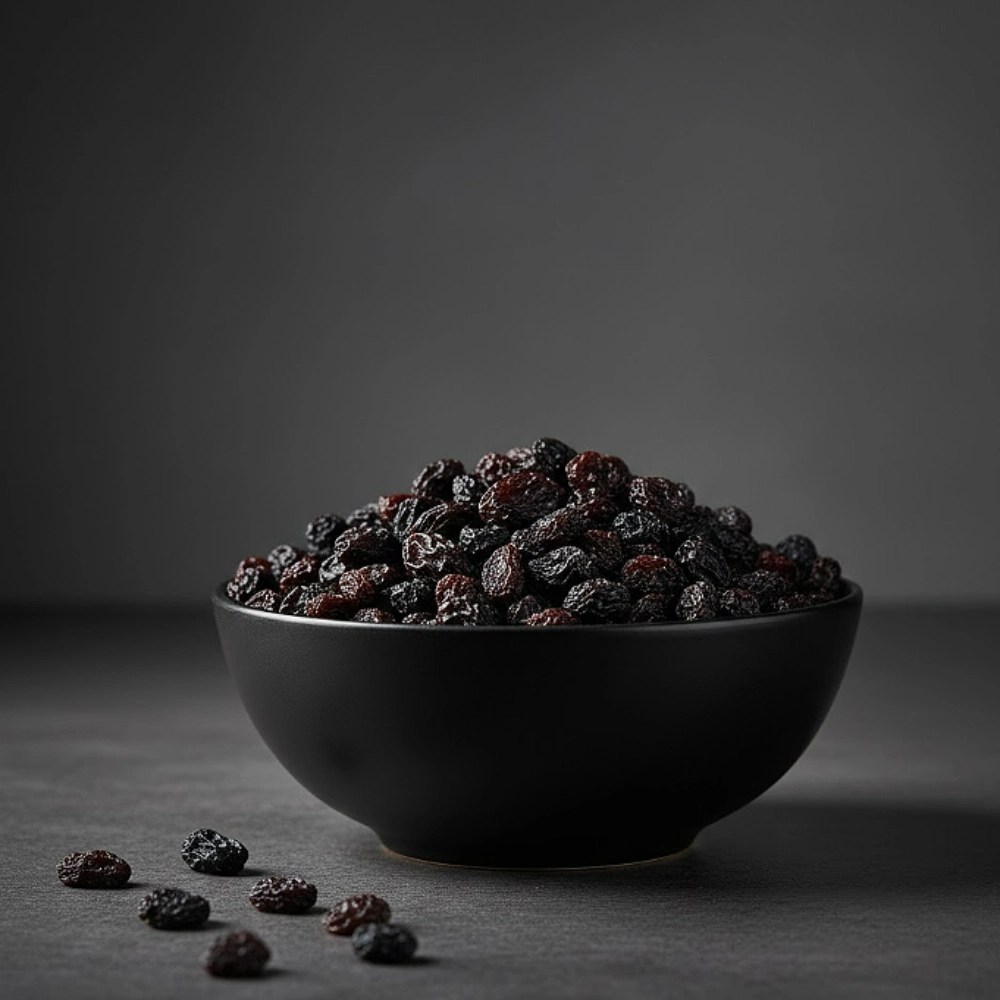
The iron content of raisins is essential in the transportation of oxygen through hemoglobin and various brain enzymes in energy metabolism, although they cannot be counted on as the sole source of iron in deficiency. Their natural sugars are a convenient pre-study or mid-afternoon brain food on their own.
Read More: what is raisin water good for
Kourosh Foods, The Provider of Quality Raisins
If you are looking for high quality raisins in different types, Kourosh Foods is the best provider of Iranian raisins. We provide high-quality packaging along with the best shipping methods for our customers. To benefit from these raisins, contact us now to order wholesale.
FAQs
- Are raisins good for the brain?
Yes, raisins can support brain health thanks to their antioxidants, polyphenols, potassium, and natural sugars, especially in the context of an overall healthy diet. - Are raisins good for memory?
Raisins may modestly support memory, with small improvements seen in older adults and stronger evidence in animal models, mainly via antioxidant and polyphenol effects. - Can raisins improve brain health?
Regular, moderate raisin intake can contribute to better overall brain health by reducing oxidative stress, supporting circulation, and providing essential micronutrients, but it should complement other lifestyle factors. - Do raisins help with cognitive function?
Flavonoid-rich foods like raisins are linked to better cognitive performance, and a human trial shows slight gains in recall with daily raisin supplementation. - How do raisins help prevent brain aging?
By supplying polyphenols that combat oxidative stress and inflammation, raisins can help slow age-related structural and functional brain changes. - Are raisins good for preventing brain diseases like Alzheimer’s?
Raisins and grape polyphenols show neuroprotective effects in experimental and dietary pattern studies, but they cannot be considered a stand‑alone prevention or treatment for Alzheimer’s. - Do raisins boost blood circulation to the brain?
Polyphenols and potassium associated with grape products support vascular function and blood flow, which likely benefits cerebral circulation when raisins are eaten regularly. - What nutrients in raisins are beneficial for the brain?
Antioxidants (polyphenols, including resveratrol), potassium, iron, vitamin B6, fiber, and natural sugars are the main brain‑relevant components in raisins. - How do antioxidants in raisins protect the brain?
They neutralize free radicals, reduce lipid peroxidation, and support signaling pathways involved in neurogenesis, synaptic plasticity, and cerebral blood flow. - Are raisins a good snack for brain health?
Yes, in moderate portions, especially darker Iranian raisins, they are a convenient, antioxidant-rich snack that fits well into a brain-healthy eating pattern.